
Future-Proof Your Brand: 5 Game-Changing Green Business Practices for 2026
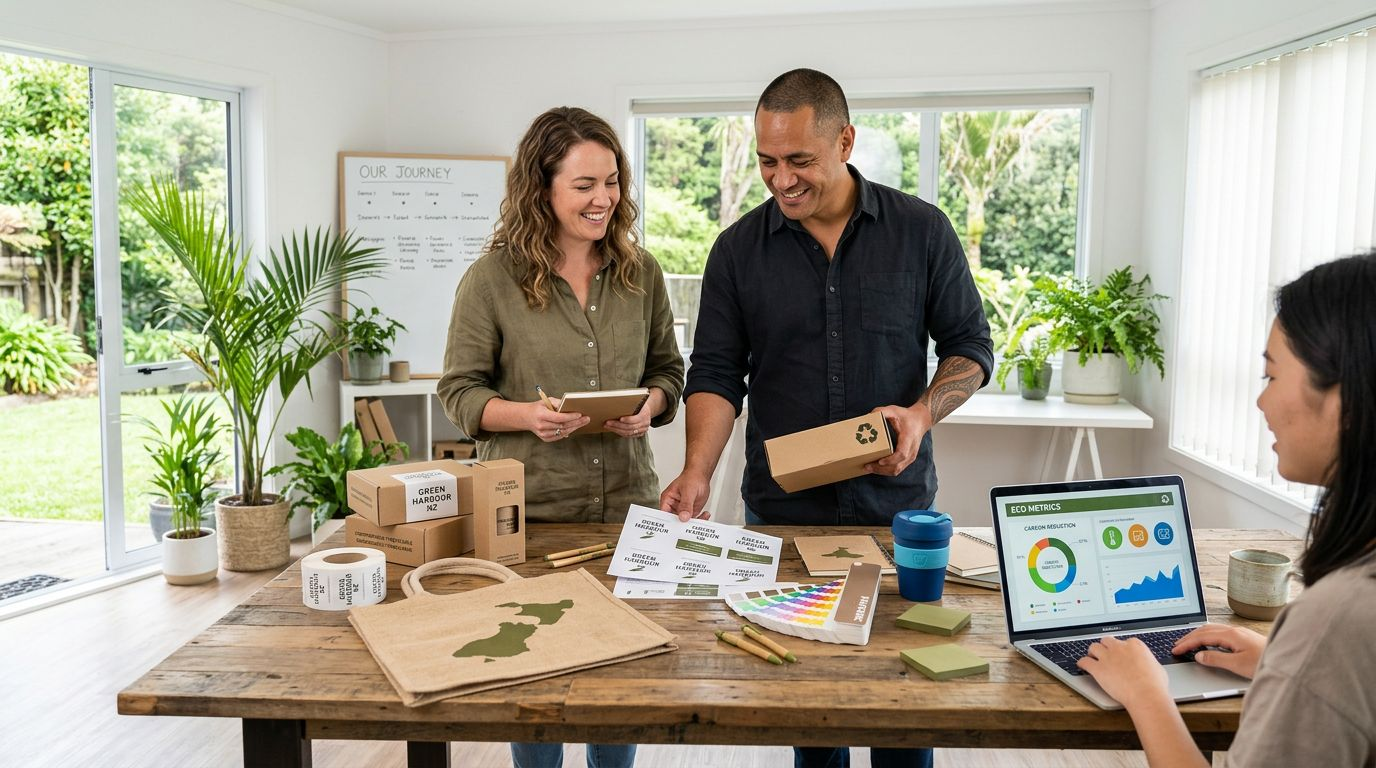
Embrace Sustainability: 5 Green Business Practices You Can Adopt In 2026
Key Takeaways
- Consumer demand for sustainability is a primary driver of market growth in 2026.
- Sustainable packaging and clear labelling are essential for building brand trust.
- High-quality, eco-friendly promotional items reduce landfill waste while increasing brand recall.
- Local supply chains offer significant environmental and logistical advantages for NZ businesses.
Sustainability is a fundamental requirement for doing business in New Zealand today. While the conversation once focused on "doing less harm," the priority in 2026 is active, transparent contribution to a circular economy. Consumers are leading this shift. A 2026 report from Capital One Shopping found that 89% of global consumers have changed their shopping habits to be more eco-friendly.
For small and medium businesses, this shift represents a significant opportunity to differentiate and grow. Research indicates that products marketed as sustainable grew 2.7 times faster than conventional alternatives. We see this daily at T & D Print, where our Whangārei team helps businesses across the country transition to more responsible branding and packaging solutions. Here are five concrete green practices your business can adopt this year to stay ahead of the curve.
1. Align Your Supply Chain with Your Values
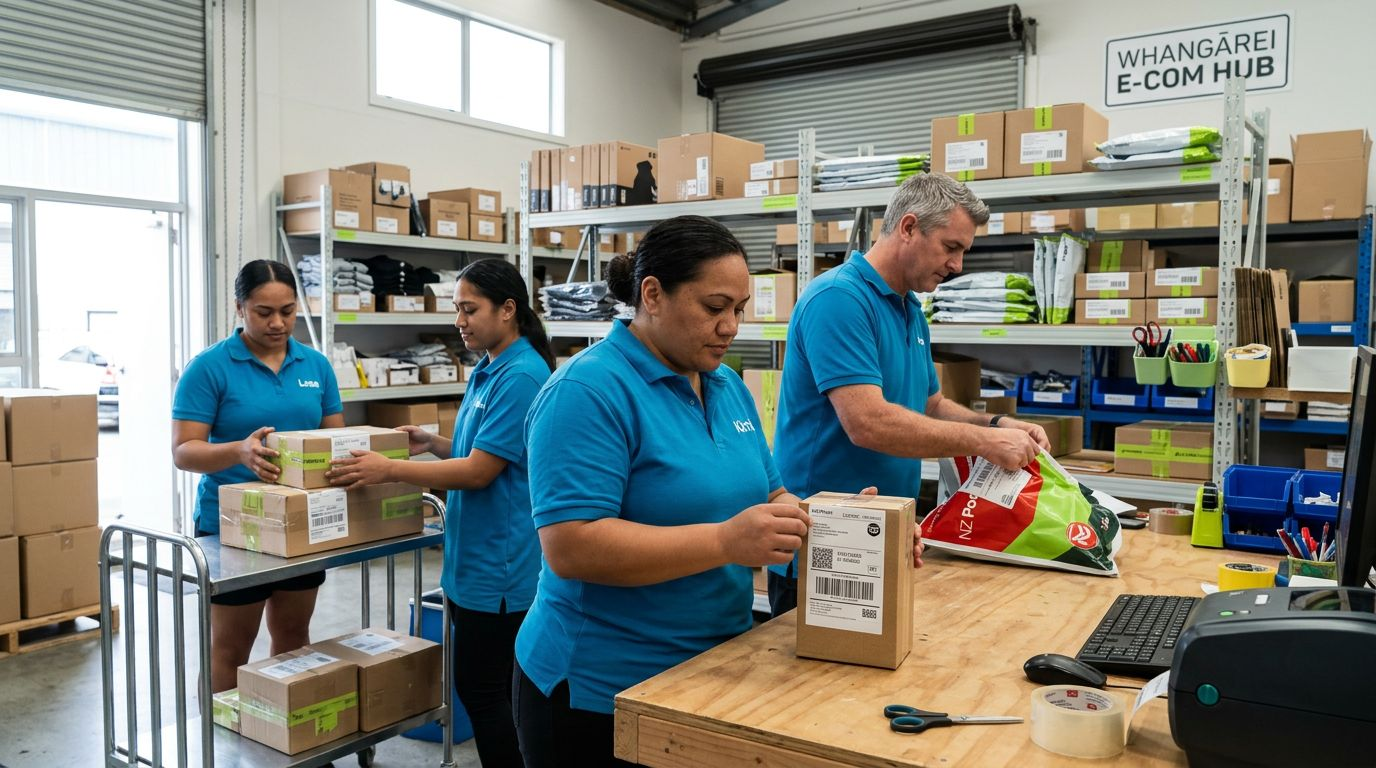
Your environmental footprint is heavily influenced by the partners you choose. Evaluating vendors based on their materials, energy use, and waste management is a critical first step. Choosing a local New Zealand partner reduces the carbon emissions associated with international shipping and provides greater transparency over the production process.
When you work with a local printer, you gain certainty about where your materials come from and how they are handled. We prioritise efficiency and low-waste production methods to ensure your branding projects remain as light on the planet as possible. This collaborative approach allows you to tell a more authentic story about your supply chain to your customers.
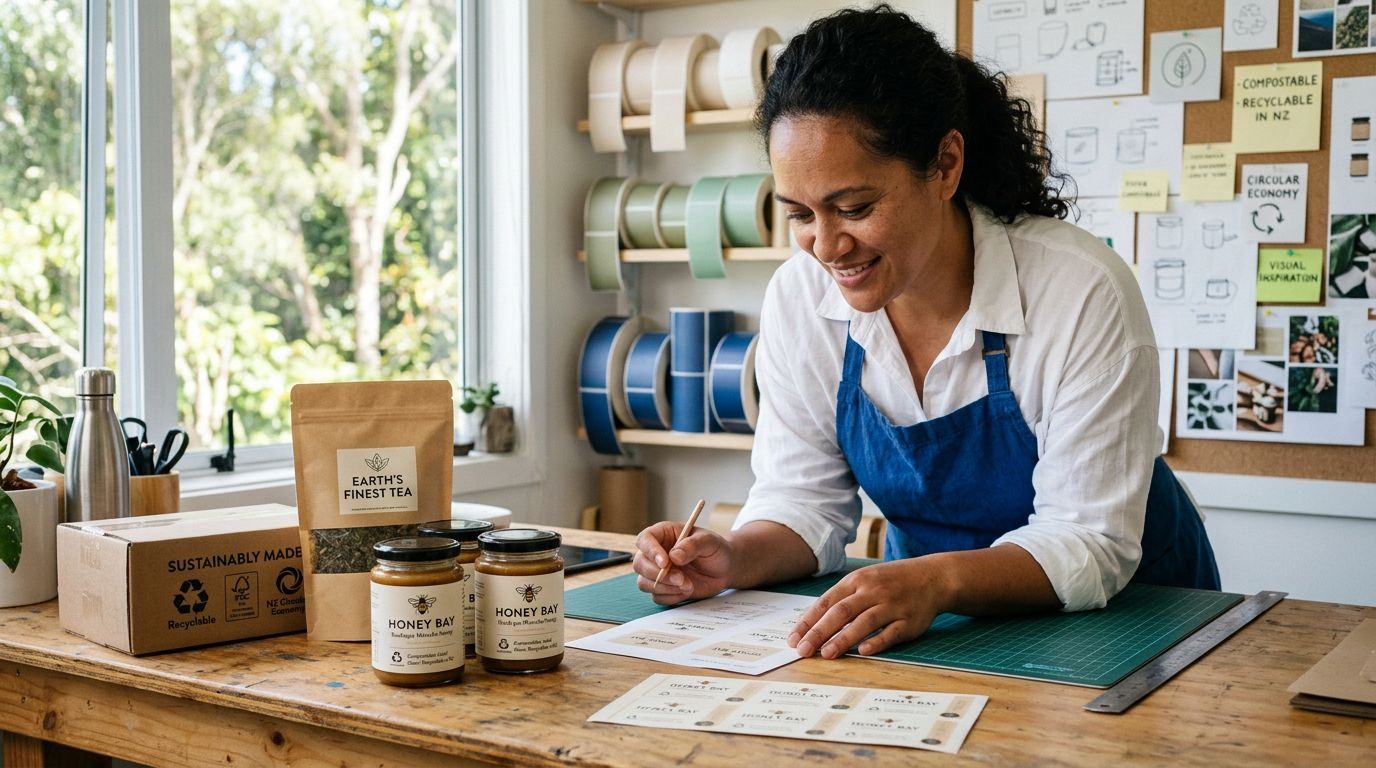
2. Design for the Full Product Lifecycle
Packaging and labels are often the first physical interaction a customer has with your brand. They are also the first things that end up in a bin. In 2026, 90% of consumers say they are more likely to purchase from a brand that uses eco-friendly packaging. Designing with the end in mind is essential.
Use your labels to provide clear, honest instructions on how to recycle or compost the packaging. Using materials that match New Zealand’s recycling infrastructure ensures your efforts actually result in waste reduction. Whether you need labels on rolls or sheets, choosing the right substrate can significantly impact your product's environmental credentials. You can explore our range of options in our Eco-Friendly Promotional Products Collection.
3. Switch to Sustainable Promotional Products
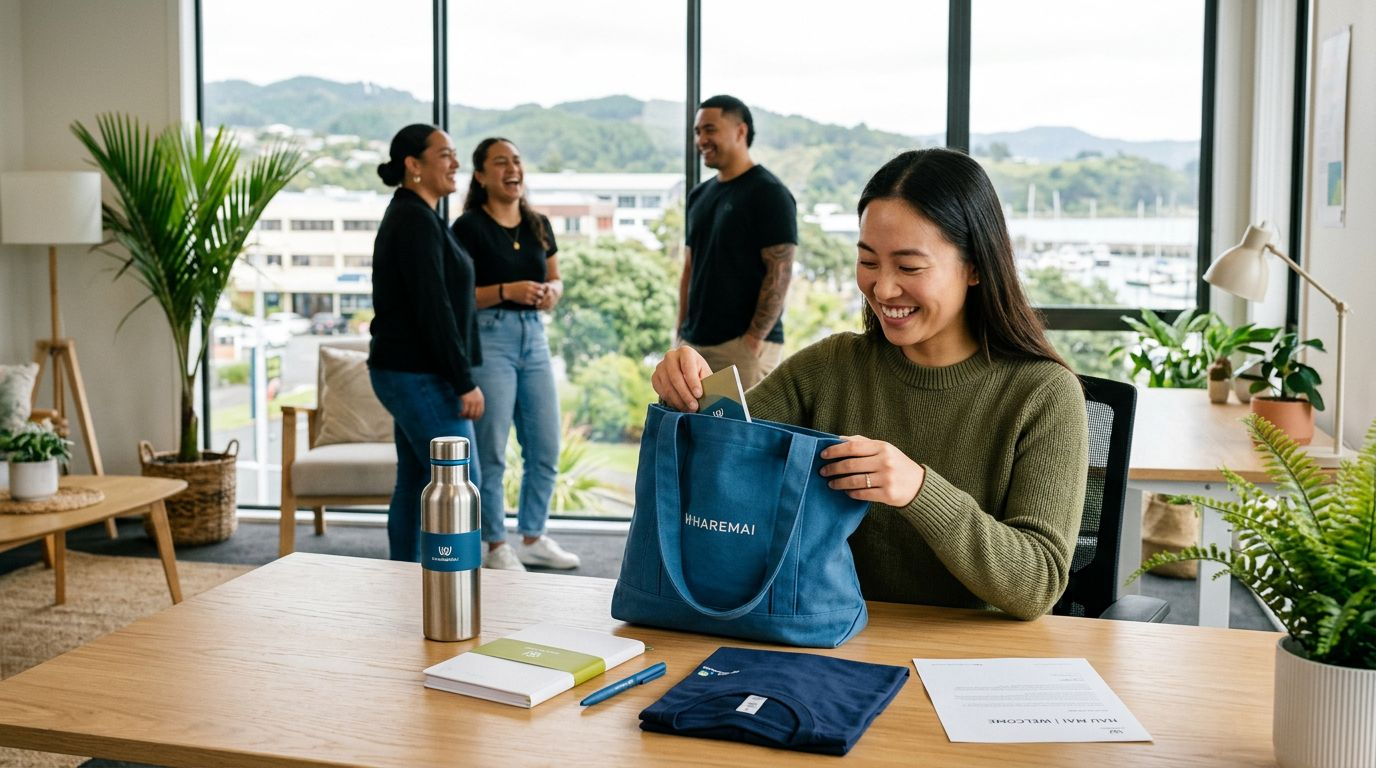
Traditional "swag" often ends up in a drawer or a landfill within days. Data from GiftAFeeling’s TSSL Lab suggests that 66% of promotional products eventually end up in landfill. Businesses in 2026 are moving away from cheap plastic freebies in favour of sustainable promotional products that people actually value and keep.
Quality items like jute bags, bamboo pens, and recycled notebooks offer a much higher return on investment. A typical promotional product generates around 3,300 brand impressions over its lifetime, and 72% of consumers prefer receiving items made from sustainable materials. By choosing durable, eco-friendly items, you ensure your brand remains visible for 12 months or longer while keeping waste to a minimum. For a deeper look at why this matters, read our guide on the power of sustainable promotional products.
If you are looking for specific ideas for your next event or client gift, we have curated a list of sustainable products your customers will love, ranging from RPET tech accessories to cork office items.
4. Build a Green Workplace Culture
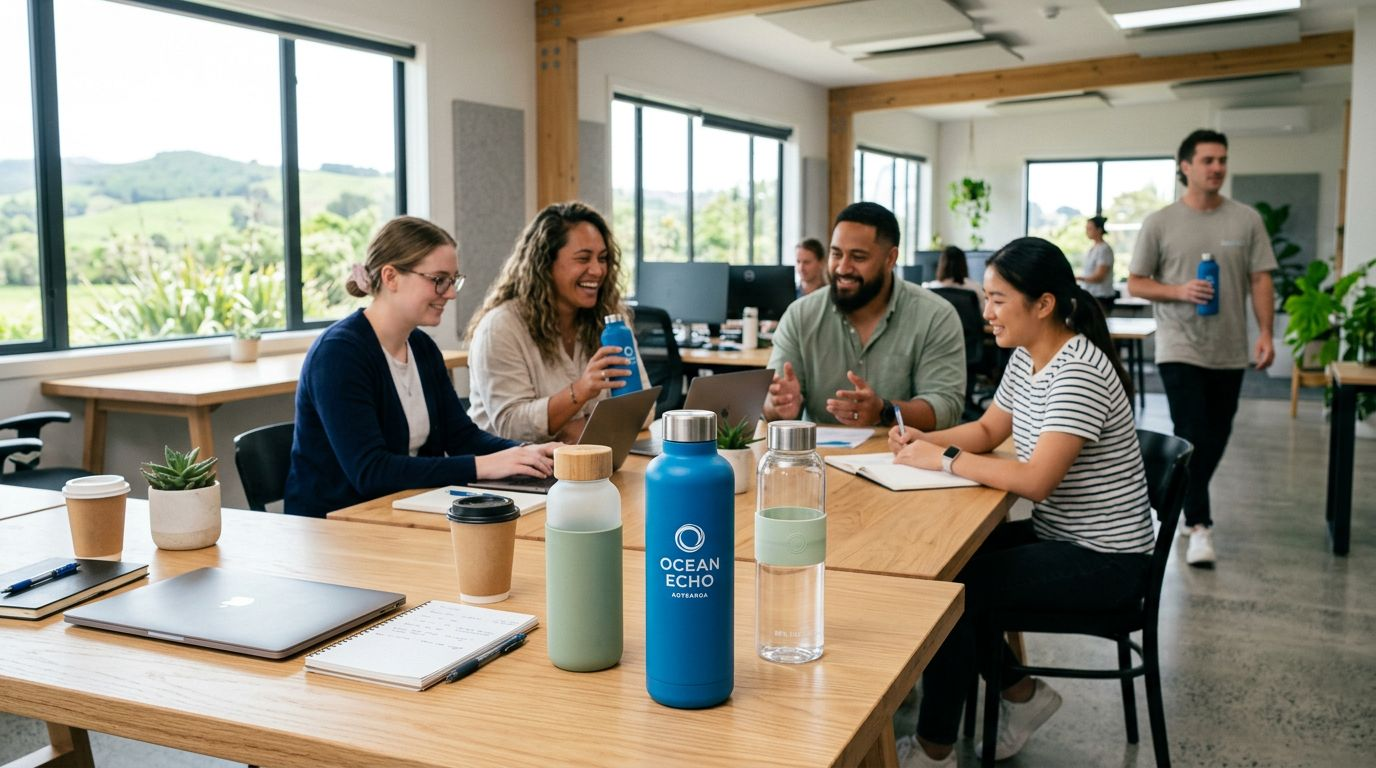
Sustainability starts from within. Small, consistent changes in your daily operations can lead to significant cumulative impacts. Many New Zealand businesses are now formalising sustainability teams to identify waste reduction opportunities in the office or warehouse. This might include switching to LED lighting, implementing smart energy controls, or updating procurement policies to favour green office supplies.
Remote and hybrid work models also play a role by reducing commuting emissions. These internal practices do more than just lower your overheads: they improve employee engagement. Around 67% of employees are more willing to accept a job with an environmentally sustainable company. When your team sees you walking the talk, they become your strongest brand advocates.

5. Formalise and Communicate Your Commitment
Modern consumers are highly attuned to "greenwashing." A 2026 report found that 55% of global consumers are sceptical of brands’ sustainability claims. To build real trust, your commitment must be formalised, specific, and evidence-backed. Avoid vague terms like "eco-friendly" without providing context.
Create a public sustainability statement that outlines what you have achieved and what you are still working on. Honesty about the journey is more effective than claiming perfection. For example, if you have switched your shipping labels to a recycled stock, state that clearly. If you are still looking for a better solution for a specific part of your packaging, be open about that too. Authentic communication fosters long-term loyalty and protects your brand from the 77% of consumers who would stop supporting a brand guilty of misleading claims.
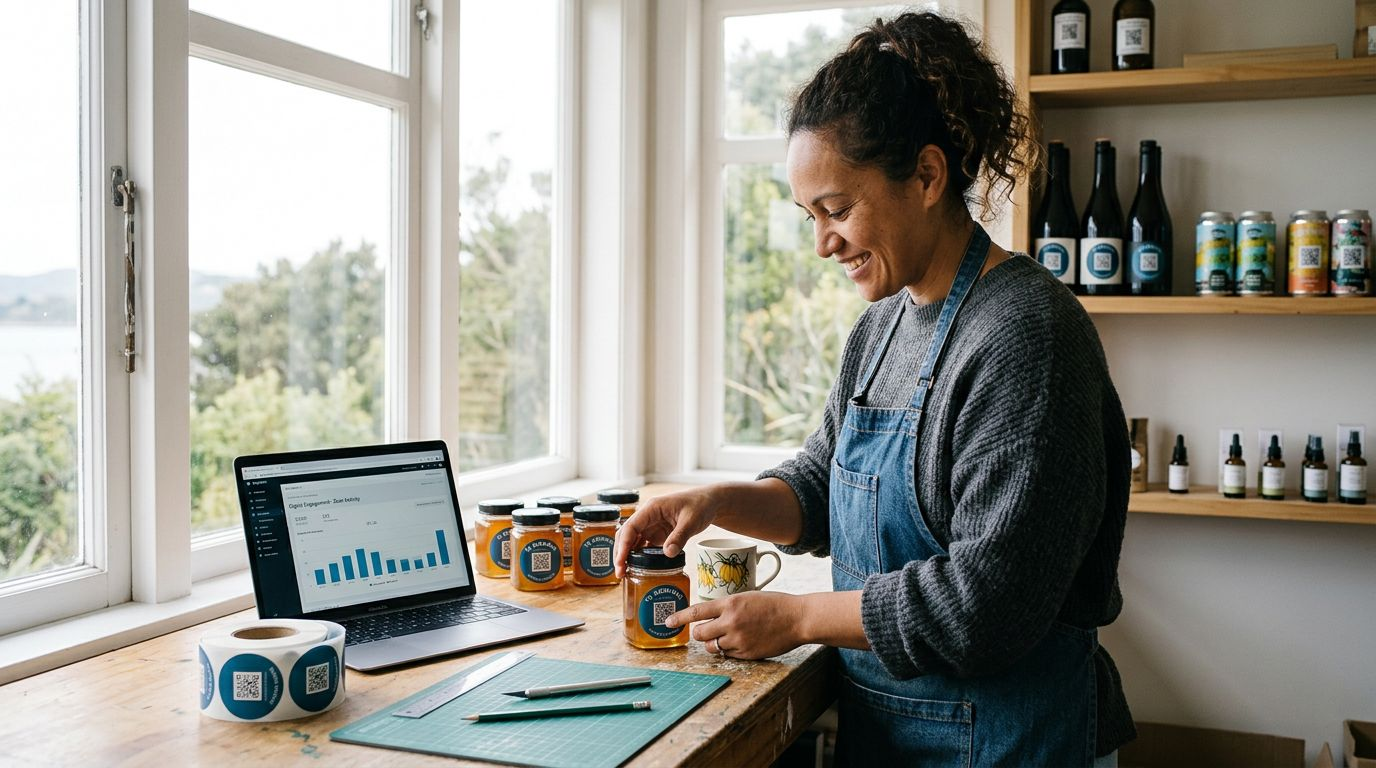
Take a boutique honey producer in Northland, for example. By using labels that clearly state the compostability of their jars and choosing sustainable promotional products like beeswax wraps for their gift packs, they create a cohesive, honest brand story that resonates with their audience.
Partnering for a Greener Future
Adopting green business practices is a strategic investment in the longevity of your brand. Whether you are looking to update your labels with better recycling information or want to source high-quality sustainable promotional products for your next campaign, we are here to provide expert, friendly advice. Our low minimums and fast turnaround times mean you can make incremental, impactful changes without the risk of over-ordering and creating waste. Reach out to the team at T & D Print today to discuss how we can help your business thrive in 2026.